March 17, 2021

CRISPR People. The Science and Ethics of editing the Human Genome
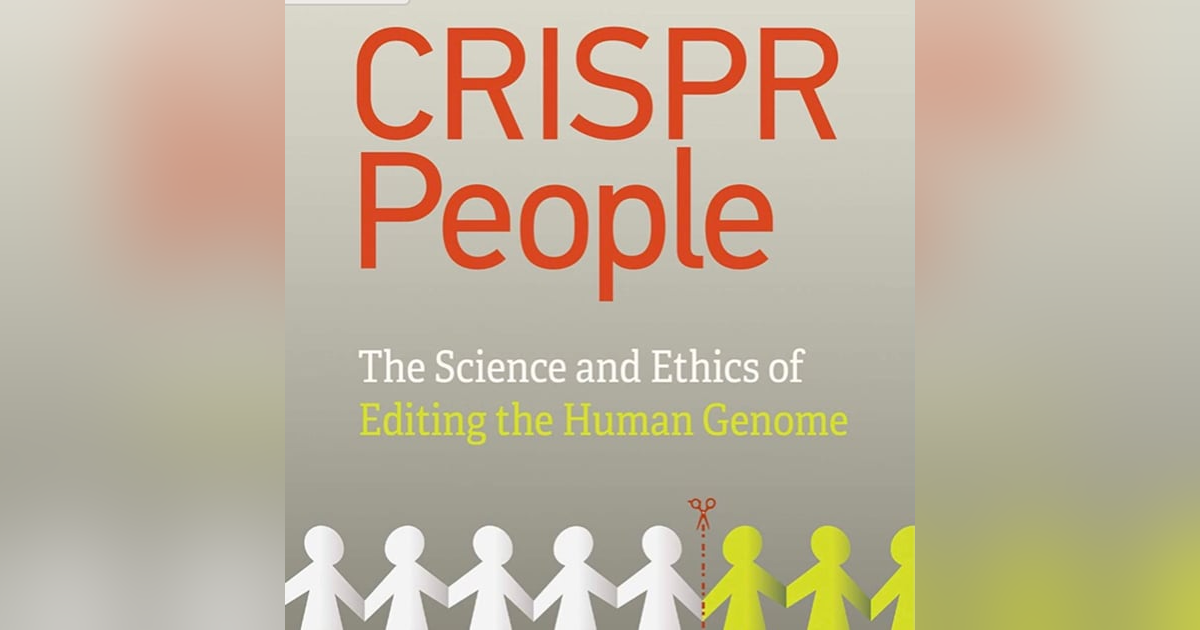

CRISPR People. The Science and Ethics of editing the Human Genome
Apple Podcasts podcast player badge
Overcast podcast player badge
Castro podcast player badge
iHeartRadio podcast player badge
PocketCasts podcast player badge
Castbox podcast player badge
Podchaser podcast player badge
TuneIn podcast player badge
Pandora podcast player badge
RadioPublic podcast player badge
Spotify podcast player badge
RSS Feed podcast player badge
Amazon Music podcast player badge
YouTube podcast player badge
Youtube Music podcast player badge
Audacy podcast player badge
Apple Podcasts podcast player iconOvercast podcast player iconCastro podcast player iconiHeartRadio podcast player iconPocketCasts podcast player iconCastbox podcast player iconPodchaser podcast player iconTuneIn podcast player iconPandora podcast player iconRadioPublic podcast player iconSpotify podcast player iconRSS Feed podcast player iconAmazon Music podcast player iconYouTube podcast player iconYoutube Music podcast player iconAudacy podcast player icon

Two women Emanuelle Charpentier and Jennifer Doudna won the 2020 Nobel Prize for Chemistry for developing the gene editing technique known s CRISPR-CAS9.  But in 2018 the first humans were born with edited genes in China, twin girls Nana and Lulu. Their unique human status in the history of mankind came as a result of a rogue genetics researcher who defied all the bioethics standards of science and he was jailed for his illicit efforts by the Chinese Government. Professor Hank Greely renowned bioethicist, and Professor of Law and Director of the Law and Biosciences Center at Stanford University relates the story and discusses the bioethics dilemma of this scientific fiasco.

--- Send in a voice message: https://anchor.fm/james-herlihy/message

